Composite Bonding Glasgow
Michael Kelly Dentistry use composite bonding to improve the shape, colour, and overall appearance of teeth. This quick and gentle technique allows us to restore damaged teeth, close small gaps, and create a balanced smile.
Our composite bonding in Glasgow is popular with patients who want faster results without drilling into healthy tooth tissue. In many cases, composite bonding treatments can be completed in a single visit, giving you a more even smile.
What Is Dental Bonding?
Composite bonding is a cosmetic treatment that uses tooth coloured resin to repair or reshape teeth. The composite material is carefully applied to the tooth’s surface with a bonding agent, sculpted into the desired shape, and hardened using a special light.
The finished result should blend in with your existing natural teeth. At Michael Kelly Dentistry, we plan every case individually so that the shade and shape of the composite match your smile.
Common concerns about composite bonding treatments:
Is Composite Bonding Painful?
No, composite bonding is a minimally invasive dental treatment that is usually pain-free and causes minimal discomfort or sensitivity. In most cases, you will not need an injection, as little or no tooth enamel is removed.
How Long Does Composite Bonding Take?
The procedure usually takes between 30 and 60 minutes per tooth, depending on how many teeth are being treated and the level of reshaping needed.
What Cosmetic Bonding Can Address
Composite bonding can be used to address various small cosmetic issues, including:
- Chipped or worn edges
- Cracked teeth
- Small gaps between teeth
- Mildly crooked or misaligned teeth
- Discolouration on individual teeth
- Broken teeth
- Teeth that are shorter or irregular in shape
Benefits of Composite Bonding
Composite bonding offers several advantages for patients looking to refresh their smile:
- Treatment is usually pain-free and often completed in a single appointment
- Little or no drilling of healthy tooth enamel
- Durable, natural-looking results that match your existing teeth
- More affordable alternative to porcelain veneers or dental crowns
- Can be adjusted or repaired easily if needed
- Easy to maintain
It is an effective option if you want a more even, attractive smile without committing to a complex long-term treatment.
The Tooth Bonding Process
Here is what to expect from the composite bonding process.
We begin with a relaxed consultation where we discuss what you would like to change. Your dentist will examine your teeth and may take digital scans and photographs to help plan the treatment.
During the consultation, we will discuss your options and create a personalised treatment plan that fits your goals, timeframe, and budget.
We select a resin shade that closely matches your natural tooth colour. The aim is a seamless result that looks like part of your original tooth.
The surface of the tooth is gently prepared so that the composite can bond securely. In most cases, only a minimal amount of enamel is altered.
The composite resin is applied in thin layers, then carefully shaped to the desired form. A special curing light is used to harden each layer.
Once the resin is fully set, the tooth is refined and polished to a smooth, glossy finish. Your bite is checked, and we make fine adjustments as needed.
Is Cosmetic Bonding Painful?
With proper care, good oral hygiene, and regular dental check-ups, composite bonding can last several years. The exact lifespan depends on your eating habits, bite, and whether you experience teeth grinding or clenching. These factors can affect its integrity and strength over time.
To maintain your bonding, we recommend avoiding biting hard objects such as ice or pens, limiting very dark foods and drinks, and visiting us for routine polishing and maintenance.
Is Dental Bonding Right for You
You’re a suitable candidate for composite bonding if you have healthy teeth and gums, but are unhappy with small imperfections in your smile. It works well for minor chips, gaps, and shape issues, but not for larger problems with tooth structure.
At your appointment at Michael Kelly Dentistry, we will assess your teeth and explain whether composite bonding, veneers, or orthodontic treatment would give you the best results.
MKD: Trusted Dentist for Composite Bonding in Glasgow
Michael Kelly Dentistry offers:
- We use high-quality composite tooth coloured materials
- Digital scans help us plan treatment accurately and comfortably
- Our qualified dentists have extensive experience in cosmetic dentistry
- Appointments are calm, unhurried, and focused on your comfort
- We provide clear pricing and honest advice at every stage
We aim to create a smile that suits your face and feels like your own, with results that look natural in everyday life.
Frequently Asked Questions
Read our FAQs about composite bonding in Glasgow to better understand this dental treatment.
Can I whiten my teeth after bonding?
No, because teeth whitening does not change the colour of composite resin. If you would like a whiter smile, it is better to whiten your teeth first so the bonding can be matched to the lighter shade.
Can composite bonding stain?
Over time, the resin can pick up surface stains from coffee, tea, red wine, or smoking. These can often be polished away during routine visits.
Can bonding fix large gaps or very crooked teeth?
Composite bonding treatment is suitable for small gaps and mild irregularities. Larger gaps or more pronounced crowding may be better treated with orthodontics or veneers.
For missing teeth, dental implants or other restorative treatments may be recommended. Your dentist will assess your smile and explain the best options for your situation.
Contact us at reception@michaelkellydentistry.co.uk or 0141 637 1745 for any further questions on improving your smile with composite bonding in Glasgow.
What Patients Are Saying?
About the Medical Reviewer
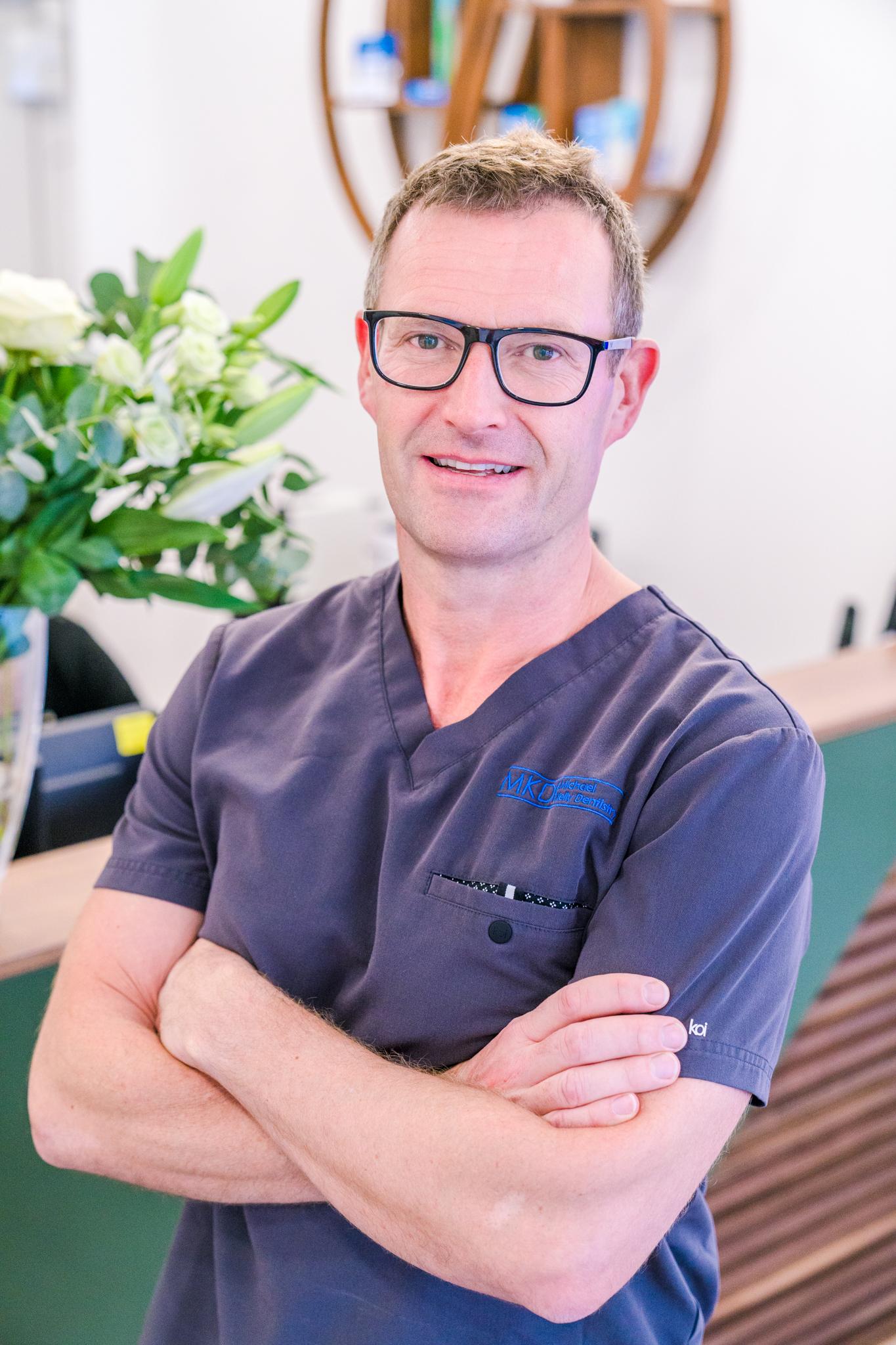
This content was reviewed by Dr Michael John Kelly, Principal Dentist and practice owner at Michael Kelly Dentistry, 741 Clarkston Road, Glasgow.
Dr Michael is a GDC-Registered Dentist (No. 68981) with over 25 years of experience in private dentistry. He holds memberships with the Association of Dental Implantology (ADI), the British Academy of Cosmetic Dentistry (BACD), and the Society for the Advancement of Anaesthesia in Dentistry (SAAD), reflecting his expertise in dental implants, cosmetic dentistry and sedation dentistry.
Last reviewed: February 2026