
Dental Sedation in Glasgow

Important: All treatment at Michael Kelly Dentistry is carried out by GDC-registered dental professionals. Individual suitability for dental sedation is assessed at consultation. This information is for general guidance only.

Feeling nervous about dental treatment is very common. At Michael Kelly Dentistry in Glasgow, we understand that many people experience a form of anxiety when visiting the dentist. For some, that anxiety can be so strong that it stops them from seeking the care they need. If that sounds familiar, we can help. 

We offer dental sedation in Glasgow for both adults and children, so the whole family can receive the care they need. Book a consultation with our GDC-registered team.

Understanding Dental Anxiety

Dental anxiety can affect anyone. It may come from an experience, fear of pain, dislike of dental sounds, or simply the thought of losing control in the chair. For others, it’s linked to embarrassment about their teeth after years of avoiding treatment. According to the Adult Oral Health Survey 2023, 40% of adults in England report moderate dental anxiety and a further 15% report extreme dental anxiety, meaning more than half of adults find visiting the dentist genuinely difficult. That anxiety becomes the reason they stop going altogether, which, over time, affects their long-term dental health.

Whatever the cause, we know that anxiety is real and can make dental visits feel overwhelming. Our approach is to listen, explain every step clearly, and ensure you feel comfortable before any treatment begins.

magnific_dental-iv-sedation-closeu_2887432471

What is Sedation Dentistry? 

Sedation dentistry in Glasgow allows you to receive dental treatment in a calm, stress-free state. It doesn’t put you to sleep but helps you feel deeply relaxed, so your worries fade and time seems to pass quickly. Many patients remember little or nothing of the procedure afterwards.

We have supported many patients who had avoided the dentist for years due to dental phobia or fear. Our aim is to make sure you never feel judged or rushed. Everyone deserves care they can feel comfortable with.

Sedation dentistry is regulated by the General Dental Council (GDC), and all practitioners who administer sedation must hold appropriate qualifications and follow published standards. Sedation is administered by Dr Michael Kelly (GDC No. 68981), who is a member of the Society for the Advancement of Anaesthesia in Dentistry (SAAD).

What Happens During Your Sedation Appointment

Before your appointment, we’ll talk through your medical history and explain how sedation works. On the day of treatment, we’ll monitor you closely from start to finish.

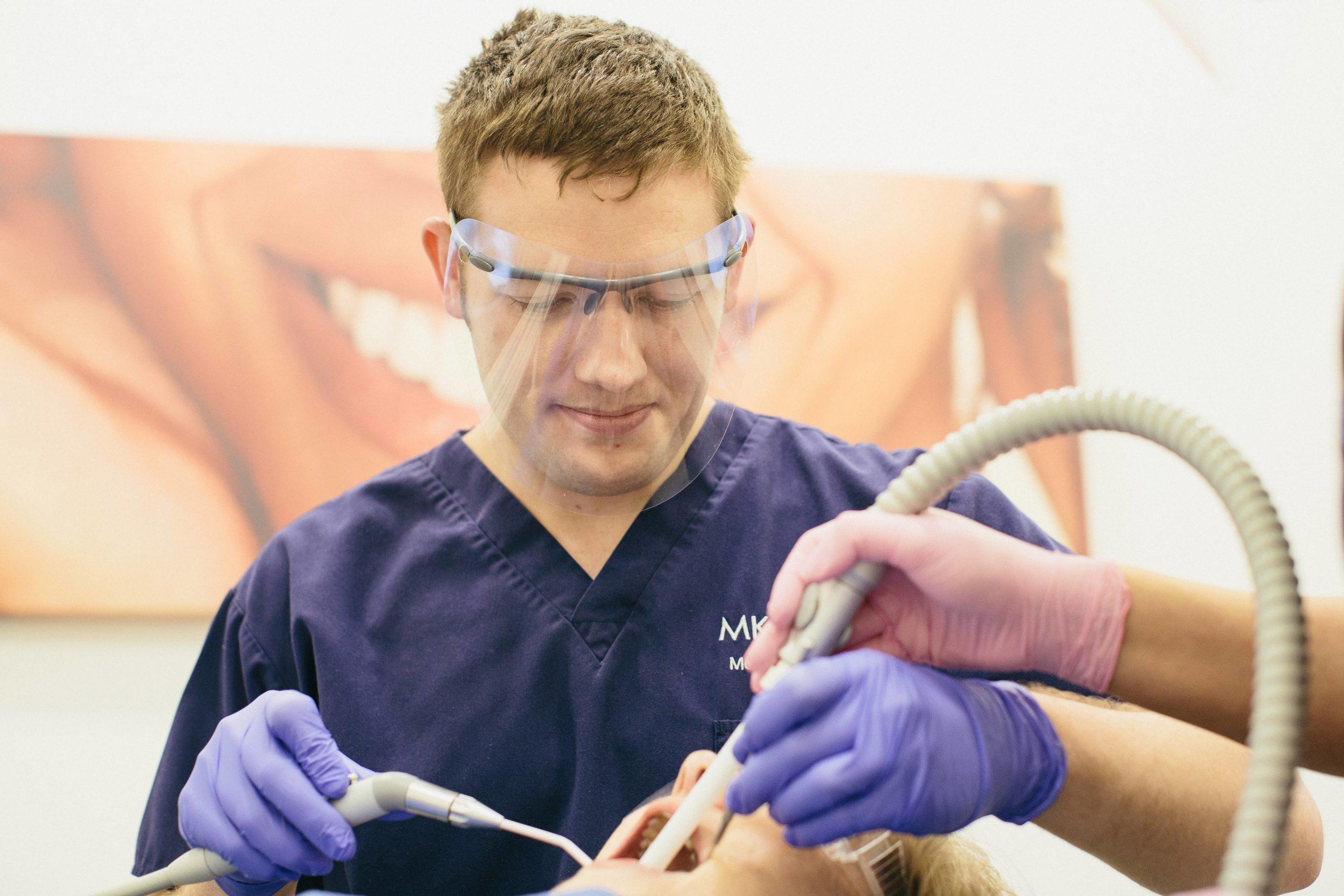
Our equipment allows constant observation, and a trained member of our team stays with you throughout. We only use medications approved for dental use and with a long record of safety.

Before treatment, we’ll explain any possible side effects, what to expect after sedation, and how to prepare for your visit.

While you are under conscious sedation, our team monitors your vital signs to ensure your safety, including:

  • Blood pressure
  • Pulse oximetry
  • Oxygen levels
  • Heart rate.

You’ll remain conscious and able to respond if spoken to, while feeling deeply relaxed.

After treatment, you’ll rest for a short while in the surgery until you feel ready to go home. Because the sedative takes time to wear off, you’ll need someone to accompany you and avoid driving for the rest of the day.

Who Is a Good Candidate for Dental Sedation?

You may be a good candidate for dental sedation if any of the following apply to you:

  • Feel nervous or anxious about dental care
  • Have a low pain threshold
  • Need a long or complex treatment
  • Struggle with a strong gag reflex
  • Have had negative experiences in the past
  • Find it hard to sit still for long periods
  • Experience dental anxiety that has led to missed appointments

If you’ve been putting off visiting the dentist for years, sedation could considerably ease that first step. It helps you feel calm, allowing us to restore your oral health comfortably and at your own pace.

Suitability for sedation is always assessed at your consultation. We will review your full medical history and any current medication before making a recommendation, in line with NICE guidance on sedation.

If you think dental sedation in Glasgow could help you attend your next appointment with confidence, get in touch with our friendly staff to arrange a consultation.

Types of Dental Sedation

At Michael Kelly Dentistry, we’ll discuss the most suitable form of sedation based on your needs and the type of treatment required.

Oral Sedation

You take a prescribed tablet before your appointment to help you feel relaxed. The effect builds gradually, and you’ll feel calm and drowsy by the time treatment starts. Oral sedation is often a good starting point for nervous patients who experience mild to moderate dental anxiety and prefer to avoid injections.

Intravenous (IV) Sedation

IV sedation is administered through a small injection in your arm or hand. It works quickly and allows your dentist to adjust the level of sedation throughout treatment. This method is ideal for patients with a higher level of anxiety or those undergoing longer procedures.

Both methods are safe and carried out under close supervision by trained professionals. Neither method is the same as deep sedation or general anaesthesia; you remain conscious throughout and can breathe independently.

What Sedation Feels Like

Most patients describe the feeling as being deeply relaxed and detached from what’s happening. You may still hear sounds and feel gentle movement, but these sensations don’t bother you.

Some people feel sleepy, while others remain awake but calm. Time often seems to pass very quickly, and many patients say the treatment feels much shorter than expected. Once sedated, you may find that you remember very little of the procedure afterwards.

Aftercare and Recovery

After sedation, you’ll rest in the dental clinic until you’re fully awake and steady. It’s normal to feel slightly tired or forgetful for a few hours.

You’ll need someone to take you home and stay with you for the rest of the day. We advise avoiding alcohol, operating machinery, or signing documents until the effects have completely worn off.

Most people feel stable again the following morning and can return to work or their usual activities.

Overcoming Dental Phobia and Anxiety 

Choosing sedation is about taking back control, not giving it up. It allows you to receive the treatment you need without the stress that may have held you back before.

At Michael Kelly Dentistry, we see many patients who once thought they could never face a dentist’s chair again. Some have not visited a dental practice for a decade or more. With the right level of support and the appropriate sedation plan, they now attend routine appointments with far greater ease.

Our team is here to support you through every step. From your first consultation to your aftercare. If you’re considering any of our cosmetic dentistry treatments, such as dental implants, composite bonding, or single-visit veneers, sedation can also make those appointments more comfortable.

Frequently Asked Questions

From routine dental care to more complex procedures, our services include sedation options to suit a range of needs and circumstances. If you have a question that is not covered below, our team is always happy to help.

No. You’ll remain conscious and able to respond, but you’ll feel calm and drowsy. Conscious sedation is different from general anaesthesia. You stay awake throughout, but your awareness of what is happening around you is significantly reduced.

Yes. Sedation is very safe when administered by trained professionals. Your vital signs are monitored throughout your visit.

The effects usually wear off within a few hours, but you’ll need someone to take you home and stay with you. We advise against driving, operating machinery, or making important decisions until the following morning.

Most adults are suitable, but we’ll review your medical history first to make sure it’s safe for you. Certain medical conditions or medications may affect suitability, which is why consent and a thorough pre-treatment assessment are essential parts of the process.

Sedation helps reduce anxiety and awareness, while a local anaesthetic is used to numb the treatment area so you remain free from discomfort throughout.

Get in touch today to arrange a dental sedation consultation and learn how we could make your dental care calm and comfortable.

What Patients Are Saying?

About the Medical Reviewer

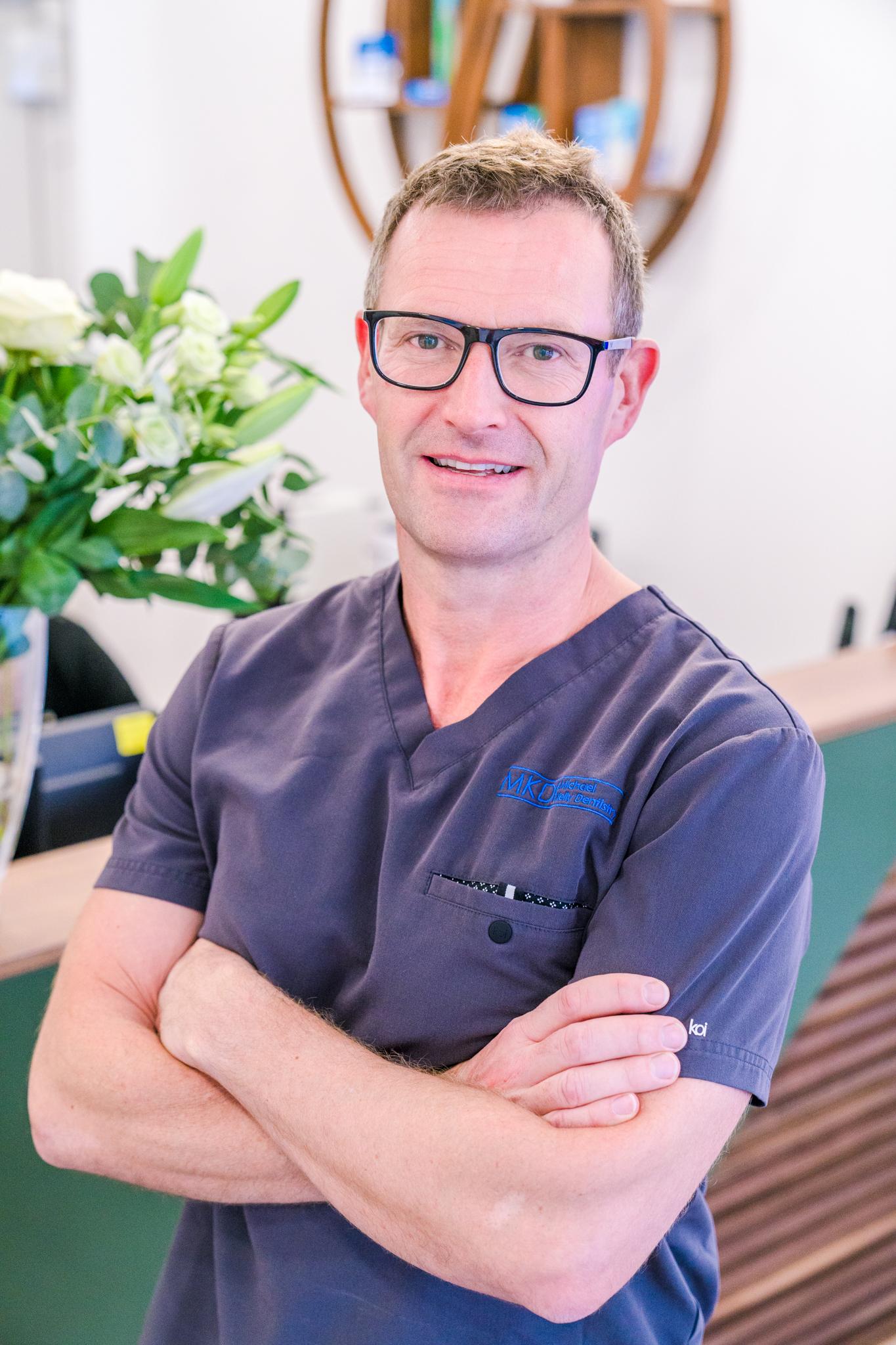
This content was reviewed by Dr Michael John Kelly, Principal Dentist and practice owner at Michael Kelly Dentistry, 741 Clarkston Road, Glasgow.

Dr Michael is a GDC-Registered Dentist (No. 68981) with over 25 years of experience in private dentistry. He holds memberships with the Association of Dental Implantology (ADI), the British Academy of Cosmetic Dentistry (BACD), and the Society for the Advancement of Anaesthesia in Dentistry (SAAD), reflecting his expertise in dental implants, cosmetic dentistry and sedation dentistry.

Last reviewed: April 2026