Dental Bridges in Glasgow
Important: All treatment at Michael Kelly Dentistry is carried out by GDC-registered dental professionals. Individual suitability for dental bridges is assessed at consultation. This information is for general guidance only.
When a tooth is lost, the surrounding teeth gradually shift into the space, affecting your bite, chewing function, and the long-term health of your gums. At Michael Kelly Dentistry, our GDC-registered team has been providing private dental care on the south side of Glasgow since 1996. We take the time at your first appointment to assess your oral health and discuss which tooth replacement option is right for you and your goals.
To find out whether dental bridges in Glasgow are right for you, book a consultation with our GDC-registered team and take the first step towards restoring your smile.
What Are Dental Bridges?
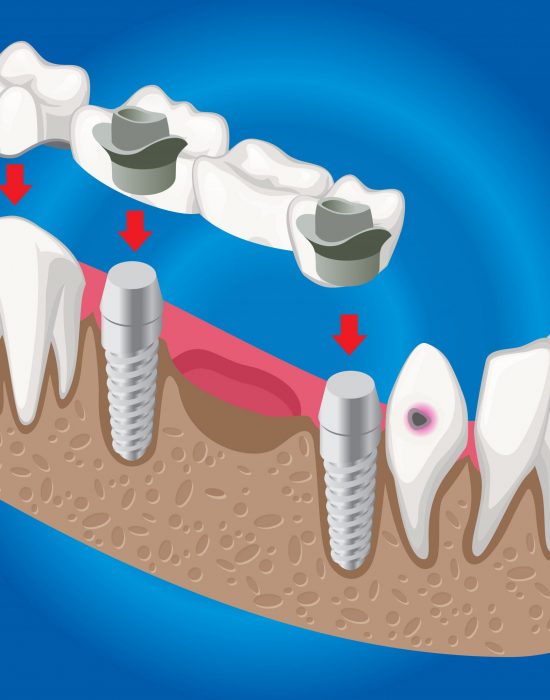
A dental bridge is a fixed prosthetic restoration that replaces one or more missing teeth. It consists of an artificial tooth, known as a pontic, held in position by crowns or bonded frameworks attached to the healthy teeth on either side of the gap. Unlike a denture, a bridge is cemented in place. The prosthetic tooth is shaped and shaded to closely match the surrounding natural teeth, giving it a natural appearance that blends into your smile.
Tooth loss is more common than many people realise. According to the Adult Dental Health Survey (NHS Digital), around 6% of adults in the UK have no natural teeth remaining. A dental bridge is one of the established options that a dental professional can assess for suitability.
Types of Dental Bridge
The right type depends on the location of the missing tooth, the condition of the surrounding teeth, and your individual dental health. The artificial teeth in each case are designed to match the shade and contour of your dentition. Your dentist will walk you through the process at your consultation and confirm the most appropriate option. The traditional bridge is the most commonly placed type.
Type of Bridge | How It Works | Who It May Suit |
Traditional (Conventional) | A replacement tooth is anchored to crowns placed over the healthy teeth on either side of the gap.
| One or multiple missing teeth with healthy natural teeth on both sides. |
Cantilever | The artificial tooth is supported by a crown on only one neighbouring tooth. | Areas of lower bite pressure, or where one adjacent tooth is available. |
Resin-Bonded (Adhesive) | A metal framework or ceramic wing is bonded to the back of a neighbouring tooth, requiring minimal preparation. | Front teeth; patients who prefer a more conservative approach. |
Implant-Supported | The bridge is anchored to dental implants rather than natural teeth. | Multiple consecutive missing teeth where adjacent teeth are not strong enough as supports. |
Why Replacing Missing Teeth is Vital for Your Oral Health
Leaving a gap untreated sets off a chain of gradual changes that can affect your remaining teeth, gum tissue and jaw over time.
- Adjacent teeth begin to lean into the gap, and the tooth in the opposing jaw can over-erupt into the space, creating alignment problems that affect the bite.
- Without a tooth root in place, the jawbone in that area loses the stimulation it needs to maintain its density.
- A bridge restores surface function, helps protect the neighbouring teeth, and supports a more comfortable chewing pattern, so the impact of tooth loss does not touch or affect the rest of your mouth.
What to Expect From the Dental Bridge Procedure
For most patients, fitting a conventional dental bridge involves two appointments, with a temporary bridge placed in between while the final restoration is prepared in the dental laboratory.
1. Assessment and Preparation
Your dentist evaluates the teeth on either side of the gap, assessing their strength to confirm they are strong enough as supporting structures. Local anaesthetic is administered, and the abutment teeth are carefully shaped to create the right profile for the crowns that will anchor the bridge.
2. Impression and Temporary Bridge
A precise impression of your teeth is taken and sent to the dental laboratory. A temporary bridge is fitted over the prepared teeth to protect them and hold the position of the surrounding dentition while your permanent bridge is being made.
3. Crafting Your Bridge
In the laboratory, your custom-made bridge is crafted to match the shade, shape, and contour of your natural teeth. The goal of a restoration is for it to fit securely and function normally with your bite.
4. Fitting Appointment
At your second appointment, the temporary bridge is removed, and your permanent bridge is tried in place. Once the fit and bite are confirmed, it is cemented securely as a fixed part of your dentition.
Caring for Your Dental Bridge
A bridge requires consistent oral hygiene to protect the supporting teeth beneath it, particularly at the gum line where the bridge meets the gums. Plaque build-up in this area can damage the abutment teeth and affect the surrounding gum tissue.
- Use a floss threader or interdental brush to clean beneath the bridge daily.
- Brush twice a day with fluoride toothpaste, paying attention to the margins where the crowns meet the gum.
- Attend regular dental visits so your bridge, supporting teeth, and surrounding tissue can be monitored.
- Avoid biting on hard objects (ice, hard sweets, or crusty bread), which can place stress on the bridge and the teeth supporting it.
With proper care, permanent bridges can remain functional for ten years or longer. Research from Leeds Teaching Hospitals NHS Trust indicates that around 80% of conventional bridges last at least a decade with relatively minor complications. Results vary by patient.
The Difference Between Dental Bridges & Dental Implants
When weighing up how to replace missing teeth, the choice often comes down to a bridge or a dental implant. A dental implant involves placing a titanium post into the jawbone as a replacement root. It does not require alteration of the adjacent teeth, but it involves surgery and a longer treatment timeline. A bridge is often completed more quickly and avoids surgery, though the adjacent teeth do need to be prepared to receive the supporting crowns.
For patients who are not suitable implant candidates due to bone density, certain medical conditions, or personal preference, a bridge is a well-established and durable tooth replacement that can improve both function and appearance.
Our team, including Dr Graeme Ker (GDC-registered, ITI Member, BAIRD Graduate), is experienced in both treatments. You can read more on our dental implants in Glasgow page. Individual treatment suitability is assessed at consultation. Results vary by patient.
Am I a Suitable Candidate for a Dental Bridge?
Your dentist will carry out a full assessment to determine whether a bridge is an appropriate option for you. A bridge is worth discussing if:
- You have one or more missing teeth and wish to restore the function and aesthetics of your smile.
- The teeth adjacent to the gap are in good condition and strong enough to support the bridge.
- Your gum tissue is healthy, with no active gum disease that needs to be addressed first.
- You are committed to maintaining good oral hygiene, including cleaning under and around the bridge.
If there is active decay or gum disease present, these would be treated before a bridge could be fitted. For many patients, a bridge offers a permanent solution that restores confidence in day-to-day eating and speaking. Our qualified staff will outline a clear treatment plan and discuss your choices at your first appointment.
Spreading the Cost with Denplan
Private dental treatment is a financial consideration for many patients. Michael Kelly Dentistry is a Denplan member practice, which means eligible patients can spread the cost of their care through a monthly payment plan. Your dentist can advise whether this is a suitable option for your circumstances.
Frequently Asked Questions
If you are considering dental treatments to replace missing teeth, here are the questions our Glasgow dental clinic team hears most often about bridges.
Does getting a dental bridge hurt?
The preparation and fitting stages are carried out under local anaesthetic, which numbs the area for most patients. You may notice some sensitivity around the prepared teeth while the temporary bridge is in place, though many patients find this settles once the permanent bridge is fitted.
If you have concerns about pain or anxiety, our team can discuss the options available to you, including dental sedation. Individual experience varies, and your dentist will keep you informed throughout.
Can you eat normally with a dental bridge?
For most patients, eating with a bridge feels close to normal once they have adjusted to the restoration. Softer foods are advisable for the first few days while any mild sensitivity around the supporting teeth settles.
After that, a well-fitting bridge should allow you to chew comfortably across a wide range of foods. Your dentist will advise at your fitting appointment on anything to be mindful of, such as very hard or sticky foods that can place undue stress on the bridge.
How much does a dental bridge cost in Glasgow?
The cost of a private dental bridge in the UK varies depending on the type of bridge, the materials used, the number of teeth being replaced, and the location of the practice.
Resin-bonded bridges tend to be on the lower end of the scale, while implant-supported bridges are usually the most expensive option. Practices in city centres generally charge more than those in regional locations. Your dentist will provide a full breakdown of the cost at your consultation, so you know exactly what is involved before any treatment begins.
What should I do if my dental bridge feels loose or comes out?
Contact your dental practice as soon as possible. A loose bridge can allow bacteria to reach the prepared teeth beneath the crowns, increasing the risk of decay. In many cases, the bridge can be re-cemented if the supporting teeth are undamaged.
If the abutment teeth have been affected by decay or another issue, a full assessment will determine the appropriate next step. Keeping up with regular dental visits helps identify any early signs of trouble before they develop. If you have a missing tooth and would like to explore your options, get in touch with Michael Kelly Dentistry.
Book your dental bridges consultation in Glasgow with a team that has been caring for patients across the south side of Glasgow since 1996.
What Patients Are Saying?
About the Medical Reviewer
This content was reviewed by Dr Michael John Kelly, Principal Dentist and practice owner at Michael Kelly Dentistry, 741 Clarkston Road, Glasgow.
Dr Michael is a GDC-Registered Dentist (No. 68981) with over 25 years of experience in private dentistry. He holds memberships with the Association of Dental Implantology (ADI), the British Academy of Cosmetic Dentistry (BACD), and the Society for the Advancement of Anaesthesia in Dentistry (SAAD), reflecting his expertise in dental implants, cosmetic dentistry and sedation dentistry.
Last reviewed: April 2026