Dental Implants Glasgow

Replace Missing Teeth In As Little As One Day

Are missing teeth making it hard to eat or affecting your confidence? If you’re hoping to restore your smile, our dental implants in Glasgow could be the solution.

At Michael Kelly Dentistry (MKD), we offer a comprehensive assessment to deliver long-lasting solutions. Our GCD-registered dentists practise gentle dental care and will advise on the most suitable treatment plan for each patient.

What Is a Dental Implant?

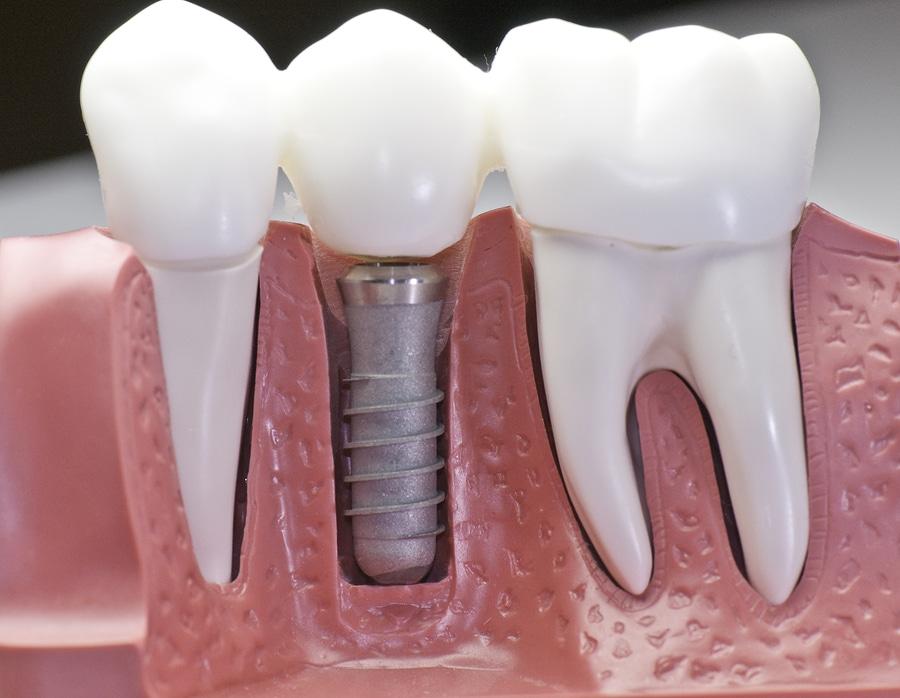
When a tooth is lost, the root that supports the visible tooth is also missing. This means there’s no natural foundation to hold a replacement, such as a crown. A dental implant solves this by using a metal artificial root to replicate the function of the natural root.

A dental implant is a long-term solution for replacing missing teeth, designed to look, feel, and function like a natural tooth. It consists of:

dental implants glasgow
  • A titanium post that is surgically placed into the jawbone.
  • The post acts as an artificial tooth root.
  • Over time, the implant fuses with the bone in a process called osseointegration.
  • This creates a stable foundation for a custom-made crown, bridge, or denture.

Implants help restore chewing ability, maintain facial structure, and prevent bone loss, making them a long-term and reliable option for tooth replacement.

Eligibility for Dental Implants

Most adults with good general and oral health are candidates, ideally with sufficient jawbone density and healthy gums to support the dental implant.

Dental implants need a healthy jawbone to bond securely, a process called osseointegration. Research shows that stronger bone improves implant stability and long-term success. If bone volume or density is low, options such as altered placement, longer healing times, or bone grafting may be recommended.

Healthy gums are essential to support implants. Active gum disease needs to be treated before surgery, because inflammation and infection can increase the risk of problems.

A wide range of medical conditions may influence implant success. Well-controlled conditions like diabetes often don’t stop treatment, but poorly managed illness, immune disorders, or treatments that affect healing require careful assessment first. Very few conditions make implants absolutely unsafe, but your overall health needs to support good healing.

Smoking significantly increases the risk of implant failure and bone loss around implants because nicotine and other chemicals reduce blood flow, impair healing and raise infection risk. Smokers tend to have lower success rates than non-smokers, so stopping or reducing smoking before and after treatment can improve outcomes.

Speak with your dentist to see if you are a good candidate for implants.

Stages of the Dental Implant Treatment

Benefits of a Tooth Implant

Implant dentistry offers aesthetic (a new smile) and functional benefits (chewing and eating) that enhance your daily life.

  • A permanent alternative to dentures, without the discomfort of a plastic plate on the roof of your mouth
  • Dental implants function and feel just like natural teeth
  • Exceptional longevity, up to 10+ years with proper care

Secure Permanent Teeth

As the dental implant consists of a titanium bio-compatible root, it is fitted into your gum and onto the jawbone. Once placed, the implant will fuse to the jawbone over a number of weeks, usually around 12. Moulds are taken for the final restoration, typically a crown or bridge, which is then attached to the implant.

Restoration of Bite and Eating

Our dental implant clinic in Glasgow offers a permanent solution to missing or loose teeth, which allows you to eat normally with full biting force. Implant dentistry allows you to enjoy your normal diet, including harder foods such as nuts, as normal, without having to worry about moving dentures and loose teeth.

New Smile & Improved Aesthetics

Getting dental implants is a great way to restore your smile, particularly if you have been suffering from a lack of confidence due to missing teeth. They help prevent your face from sagging due to bone loss and give a natural-looking finish.

Types of Teeth Implants

These are the 3 types of dental implants we use most commonly in our dental work to restore your smile with advanced technology.

dental implants glasgow

Single Dental Implants

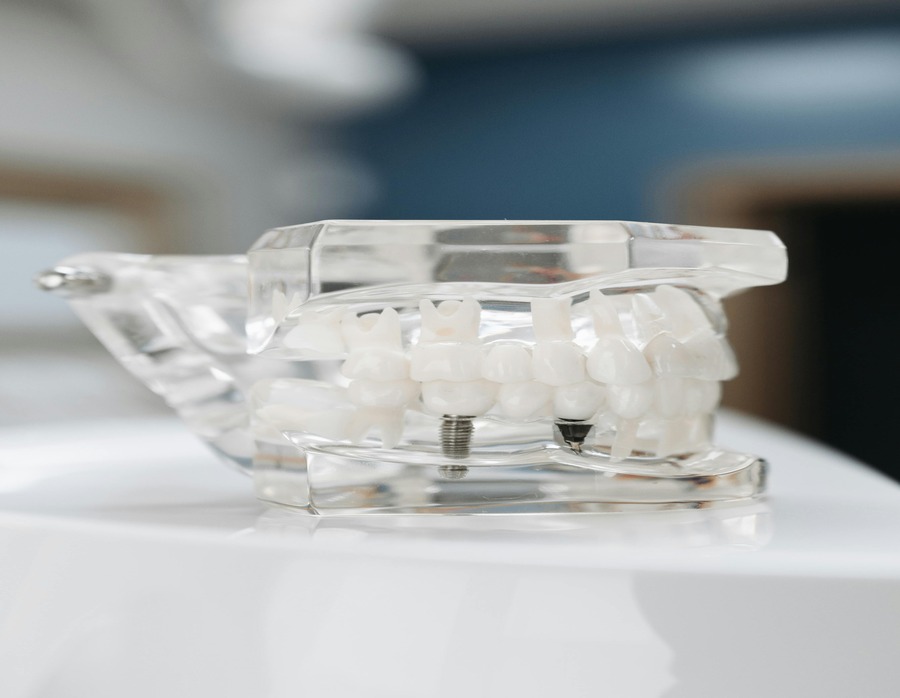
Single dental implants replace individual missing teeth without affecting your remaining healthy teeth. Using advanced technology, we surgically place a titanium post into your bone structure.
dental implants glasgow

All-on-4 Dental Implants

All-on-4 dental implants use four strategically positioned implants in the upper or lower jaw to support a complete arch and any remaining teeth. The procedure restores dental function with exceptional comfort, eliminating the need for extensive dental work.
dental implants glasgow

Implant Retained Dentures

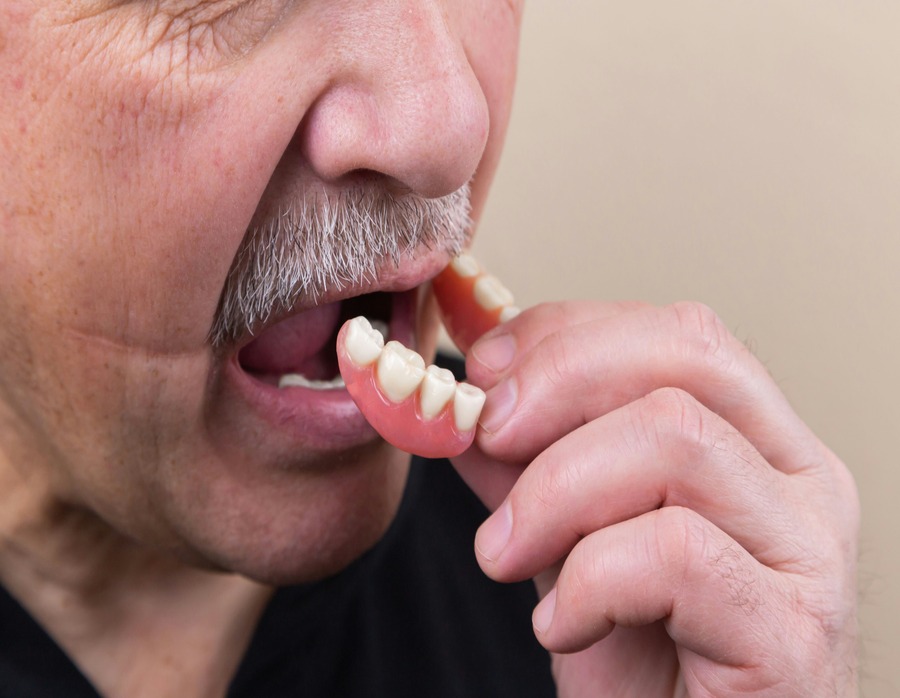
Implant-retained dentures combine the stability of dental implants with the removable nature of prosthetic teeth. Two or more implants are placed into the lower jaw or upper bone structure to securely anchor dentures.
What Our Patients Are Saying

Along with our local Glasgow dental implant patients, we also see patients from surrounding areas, including Edinburgh, Ayr, Perth, Kilmarnock, and beyond. Hear what they have to say about implant dentistry.

Michael Kelly Dentistry — Trusted Clinic for Dental Implants

We offer various treatments at our dental implant clinic in Glasgow that can help you restore your missing teeth. Typical scenarios we encounter are patients who require treatments such as:

Each patient is unique and therefore requires a tailored treatment plan depending on dental needs and budgets. Contact us today to get you on the road to that full and healthy smile.

Frequently Asked Questions

Get all the answers you need by GCD-resgesterd dentists.

Dental implants have been used for many years to replace missing teeth. Similar to natural teeth, they can be damaged by poor oral hygiene and trauma. However, well-cared-for dental implants can last for numerous years.

No, we always numb the area where the dental implant is being placed using a local anaesthetic. However, when this wears off, you may experience some bruising and discomfort, which could last for a few days. This is completely normal and can usually be managed with over-the-counter pain relief medication.

However, if you’re particularly nervous about the dental implant procedure, discuss it with your dentist, as they may be able to offer dental sedation.

Generally, dental implants are not available on the NHS except in rare cases, such as tooth loss following serious dental trauma. However, we can arrange affordable dental finance to suit most budgets.

Dental implant treatment can usually take up to 6 months. Note that every patient is different and may need various levels of preparation before the implant can be placed, such as bone grafting or extractions.

Your dentist will perform a full examination and advise more accurately what is required in terms of preparation, treatment, and how long your treatment will likely take.

Dental implants are highly successful, but like any medical treatment, complications can sometimes happen. These are some complications noted in the European Journal of Dentistry:

  • Mechanical issues may include loosening or fracture of screws or components, usually caused by excessive biting forces, teeth grinding (bruxism), or implant position. These are often manageable with adjustment or repair.
  • Technical complications can involve chipping of the porcelain crown or problems with how the restoration fits. Careful planning and routine reviews help reduce these risks.
  • Biological complications include infection or inflammation around the implant (called peri-implantitis), which may lead to bone loss if not treated. Risk factors include smoking, gum disease, and certain medical conditions such as poorly controlled diabetes.

Most complications develop slowly and can be detected early with regular check-ups.

Your dentist will assess your bite, bone, gum health, and medical history before treatment. Ongoing maintenance, good oral hygiene, and attending follow-up appointments are essential for long-term success.

If you’re ready to discover how dental implants at our Glasgow clinic can transform your smile, schedule a no-obligation consultation with our team of dentists.

About the Medical Reviewer

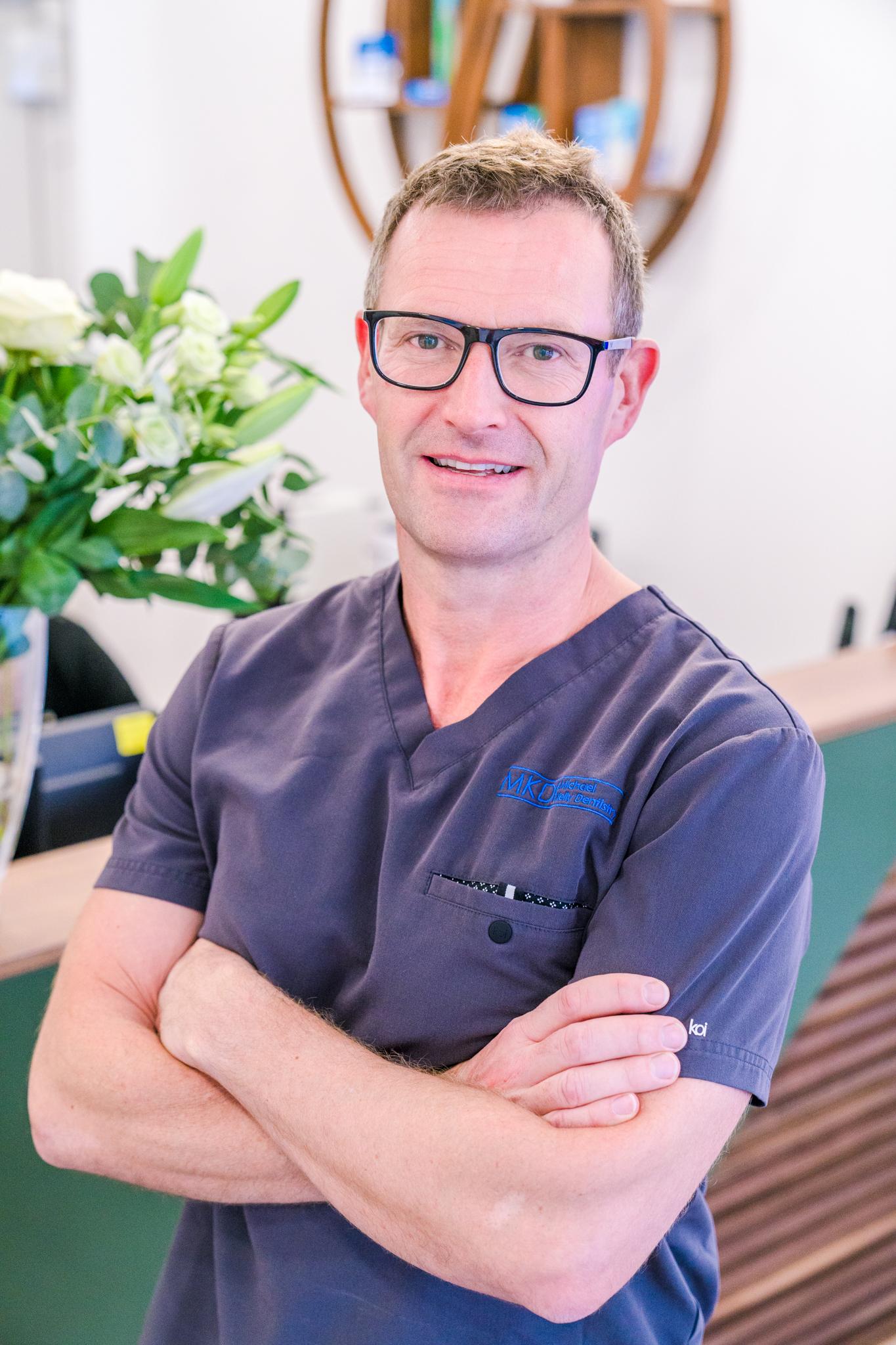
This content was reviewed by Dr Michael John Kelly, Principal Dentist and practice owner at Michael Kelly Dentistry, 741 Clarkston Road, Glasgow.

Dr Michael is a GDC-Registered Dentist (No. 68981) with over 25 years of experience in private dentistry. He is a member of the Association of Dental Implantology (ADI), the British Academy of Cosmetic Dentistry (BACD), and the Society for the Advancement of Anaesthesia in Dentistry (SAAD), reflecting his expertise in dental implants, cosmetic dentistry, and sedation dentistry.

Last reviewed: February 2026

  1. Barber, J., Puryer, J., McNally, L. et al. The contents of dental implant patient information leaflets available within the UK. Br Dent J 218, E7 (2015). https://doi.org/10.1038/sj.bdj.2015.99
  2. Chrcanovic BR, Albrektsson T, Wennerberg A. Smoking and dental implants: A systematic review and meta-analysis. J Dent. 2015 May;43(5):487-98. doi: 10.1016/j.jdent.2015.03.003. Epub 2015 Mar 14. PMID: 25778741.
  3. Hanif A, Qureshi S, Sheikh Z, Rashid H. Complications in implant dentistry. Eur J Dent. 2017 Jan-Mar;11(1):135-140. doi: 10.4103/ejd.ejd_340_16. PMID: 28435381; PMCID: PMC5379828.
  4. Marquezan M, Osório A, Sant’Anna E, Souza MM, Maia L, Does bone mineral density influence the primary stability of dental implants? A systematic review. Clin. Oral Impl. Res. 23, 2012; 767–774.
    doi: 10.1111/j.1600-0501.2011.02228.x

Where To Find Us