Dental Crowns in Glasgow
Important: All treatment at Michael Kelly Dentistry is carried out by GDC-registered dental professionals. Individual suitability for dental crowns is assessed at consultation. This information is for general guidance only.
Damaged or weakened teeth can affect how you bite, chew and smile. Our GDC-registered team uses dental crowns to help provide strong, natural-looking protection that restores both function and appearance. Regulated by the General Dental Council, Michael Kelly Dentistry has been providing private dental care in Glasgow since 1996.
Whether your tooth has been damaged by decay, fracture or previous dental work, a custom-made crown can help rebuild it safely and comfortably.
We offer dental crowns in Glasgow, including same-day crown options for suitable cases. Book a consultation today.
What Are Dental Crowns?
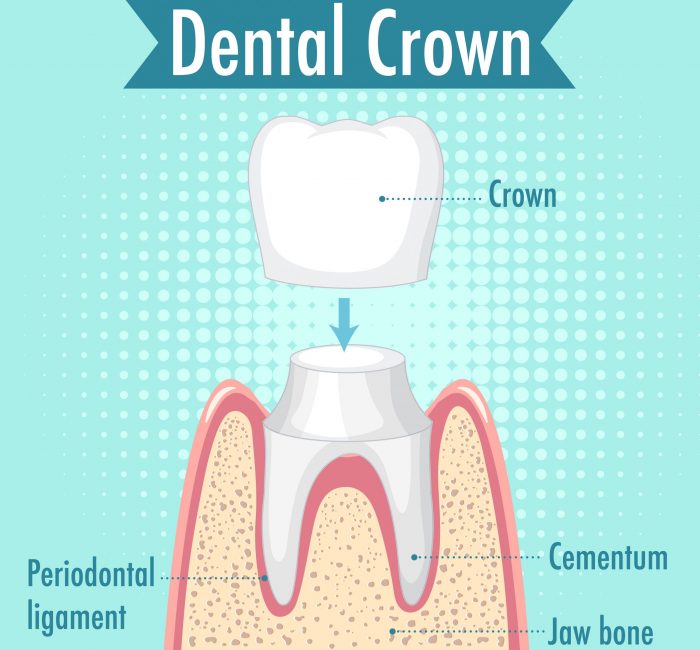
A dental crown is a custom-made cover that fits over the entire visible part of a tooth. It helps to strengthen the tooth, improve its shape and restore a natural appearance.
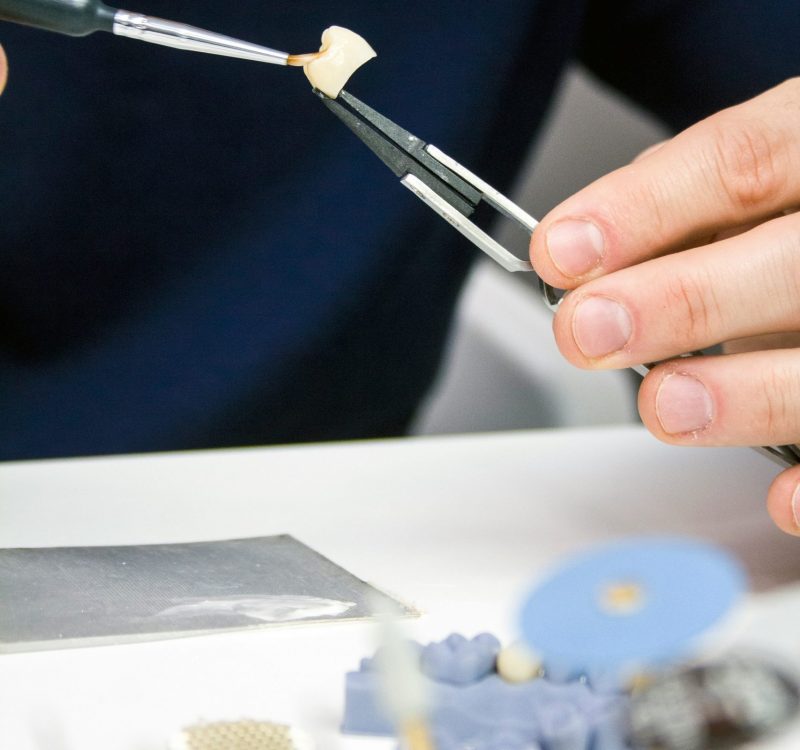
Crowns can be made from porcelain, metal fused or ceramic materials. At Michael Kelly Dentistry, we primarily use modern ceramic and porcelain crowns for quality and aesthetic results.
According to the NHS dental treatment guidance, a crown may be used to restore a broken or severely decayed tooth or to protect a tooth that has undergone root canal treatment. Individual suitability is assessed at the consultation.
When You Might Need a Dental Crown
Your dentist may recommend a crown if you have a tooth that has been compromised in some way. Common reasons include:
- A cracked tooth or fracture that has weakened the structure
- A tooth weakened by large fillings
- A tooth that has undergone root canal treatment and needs additional support
- Severe wear from grinding or erosion
- Discolouration or shape concerns that cannot be improved by teeth whitening alone
- A misshapen or uneven tooth affecting your smile
- Stabilising a tooth after significant decay, where a filling alone would not provide sufficient protection
Crowns help protect the tooth and prevent further damage while preserving as much of the original tooth structure as possible.
Types of Dental Crowns We Offer
Porcelain Crowns
These crowns are highly aesthetically pleasing and closely mimic natural enamel. They are ideal for front teeth or areas where a clean appearance is a personal goal. The material reflects light in a way that closely resembles a natural tooth, making it very difficult to distinguish from surrounding teeth.
Ceramic Crowns
Known for their durability, ceramic crowns are metal-free and suitable for both front and back teeth. They offer long-lasting stability and can be colour-matched precisely to your existing teeth.
Porcelain Fused to Metal Crowns
This type combines a metal base with a porcelain exterior for additional strength. They are occasionally used for back teeth where a higher bite force is present.
If you are unsure which material is right for you, your dentist will discuss the options during your consultation and recommend the most suitable option based on the tooth’s position and your individual circumstances.
The Dental Crown Procedure
Here is what to expect when you come to Michael Kelly Dentistry for a dental crown.
1. Consultation and Assessment
Your dentist will examine your tooth, take digital scans and discuss your treatment plan. This is also an opportunity to ask any questions about the process. We can confirm whether a crown is the best solution for your long-term oral health.
2. Tooth Preparation
The damaged or decayed tooth is shaped to make space for the crown. A local anaesthetic is used to ensure you remain comfortable. Most patients find this stage very straightforward.
3. Digital Scanning
Rather than traditional impressions, we use precise digital scans to capture an accurate record of your tooth. These scans allow us to design your crown with exceptional accuracy, improving both fit and comfort.
4. Temporary Crown
A temporary crown is fitted to protect your tooth before the permanent crown is placed. It covers the tooth fully, so you can continue eating and speaking normally between your appointments.
5. Fitting the Permanent Crown
At your second visit, your new crown is carefully checked for fit, bite alignment and appearance. Once you are happy with the fit and appearance, it is securely bonded in place. A follow-up can be arranged if you have any concerns after fitting.
Benefits of Dental Crowns
Dental crowns address both structural and cosmetic concerns, making them one of the most versatile dental restorations available. Common benefits include:
- Restores strength to weakened teeth
- Improves shape, size and appearance
- Natural colour matches the surrounding teeth
- Enhances chewing comfort and function
- Long-lasting with proper care
- Protects teeth after root canal treatment
- Prevents further deterioration of damaged teeth
- Protects the remaining tooth structure after significant decay
Same Day Crowns
In selected cases, we can provide same-day crowns using modern digital techniques. This allows you to have your tooth prepared and fitted with a permanent crown in just one visit.
Suitability for same-day treatment is assessed at consultation, and your dentist will let you know whether this option is appropriate for your particular tooth and circumstances.
How Long Do Dental Crowns Last?
Longevity is often one of the first things patients ask about when considering a crown. With good care, dental crowns can last ten to fifteen years, and many patients have theirs for considerably longer.
According to a 2024 systematic review and meta-analysis published in the International Journal of Prosthodontics, modern all-ceramic crowns have five-year survival rates exceeding 90%, with some materials exceeding 97%. Longevity depends on several factors, including oral hygiene, bite forces and the risk of grinding.
Your dentist will check your crown at routine appointments to ensure it remains healthy and secure and that the underlying tooth stays healthy.
How to Care for Your Crown
Maintaining a crown is no different from caring for your natural teeth. The basics of good oral hygiene apply just as much after a crown is placed.
- Brush twice daily with fluoride toothpaste
- Clean between teeth using floss or interdental brushes
- Avoid biting very hard objects or using teeth to open packaging
- Wear a nightguard if you grind or clench your teeth
- Attend regular hygiene and dental review appointments
If you notice any sensitivity, discomfort or movement in the crown after fitting, contact the practice as soon as possible. Early review generally means a straightforward resolution.
Are Dental Crowns Comfortable?
The dental crown procedure is performed using gentle local anaesthetic techniques to ensure complete comfort. Most patients report little to no discomfort during treatment.
Dental sedation is also available for nervous patients or those who would like additional support.
Dental Crowns vs Veneers
A common question people ask when considering dental treatment is whether a crown or a veneer is more appropriate. They serve different purposes, and the right option depends on the condition of the tooth.
Crowns
A crown covers the whole tooth and provides strength. It’s ideal for damaged, weakened, or root-treated teeth.

Veneers
A dental veneer covers the front surface only. Ideal for cosmetic improvements when the tooth is otherwise healthy and intact.
Both options are carried out by GDC-registered dentists at Michael Kelly Dentistry. If your tooth is otherwise intact and the concern is purely cosmetic, composite bonding may also be worth discussing at your consultation. We will guide you towards the choice that best suits your goals and the condition of your teeth.
Frequently Asked Questions
If you have questions about the process, the section below covers some of the most common ones we hear at the practice.
Do crowns hurt?
The procedure is carried out under local anaesthetic, so you should not feel pain during treatment. Some mild sensitivity around the tooth is normal in the days after fitting, particularly to temperature. This typically settles on its own. If discomfort continues, contact the dental practice for a review.
Can crowns be whitened?
No. The shade of a crown cannot be changed once it is fitted. If you are considering whitening your natural teeth, it is worth doing so before your crown shade is selected, so that the crown can be matched to your whitened teeth.
How long does the process take?
Most crowns require two visits, one for tooth preparation and digital scanning, and one for fitting the permanent crown. In selected cases, same-day crowns can be completed in a single visit using CEREC technology.
Will my crown look natural?
Yes. Ceramic and porcelain crowns are colour-matched to blend seamlessly with your existing teeth. Most patients find that their crown is not noticeable to others. Your dentist will ensure you feel confident in the shade and shape before the crown is permanently bonded.
Is a crown better than a filling?
Crowns and fillings serve different purposes. A filling repairs a cavity or small area of tooth decay, while a crown is used when a tooth is too damaged or weak for a filling. Crowns provide full protection and long-term strength. Your dentist will assess the condition of the tooth and recommend the most appropriate dental restoration.
Can children have dental crowns?
Yes. Dental crowns, sometimes referred to as caps, are occasionally used in younger patients to protect a damaged baby tooth until the adult tooth comes through. The GDC-registered team at Michael Kelly Dentistry caters for patients of all ages, from children to adults.
How much do dental crowns cost in Glasgow?
Costs vary depending on the type of crown, the position of the tooth and the complexity of treatment. We offer transparent pricing and will provide a full breakdown at the consultation. We also accept Denplan payment plans, which allow you to spread the cost of private dental care.
If you need to restore a weakened tooth, a dental crown may be the ideal solution. Book your consultation and protect your smile with a strong, natural-looking crown.
What Patients Are Saying?


About the Medical Reviewer
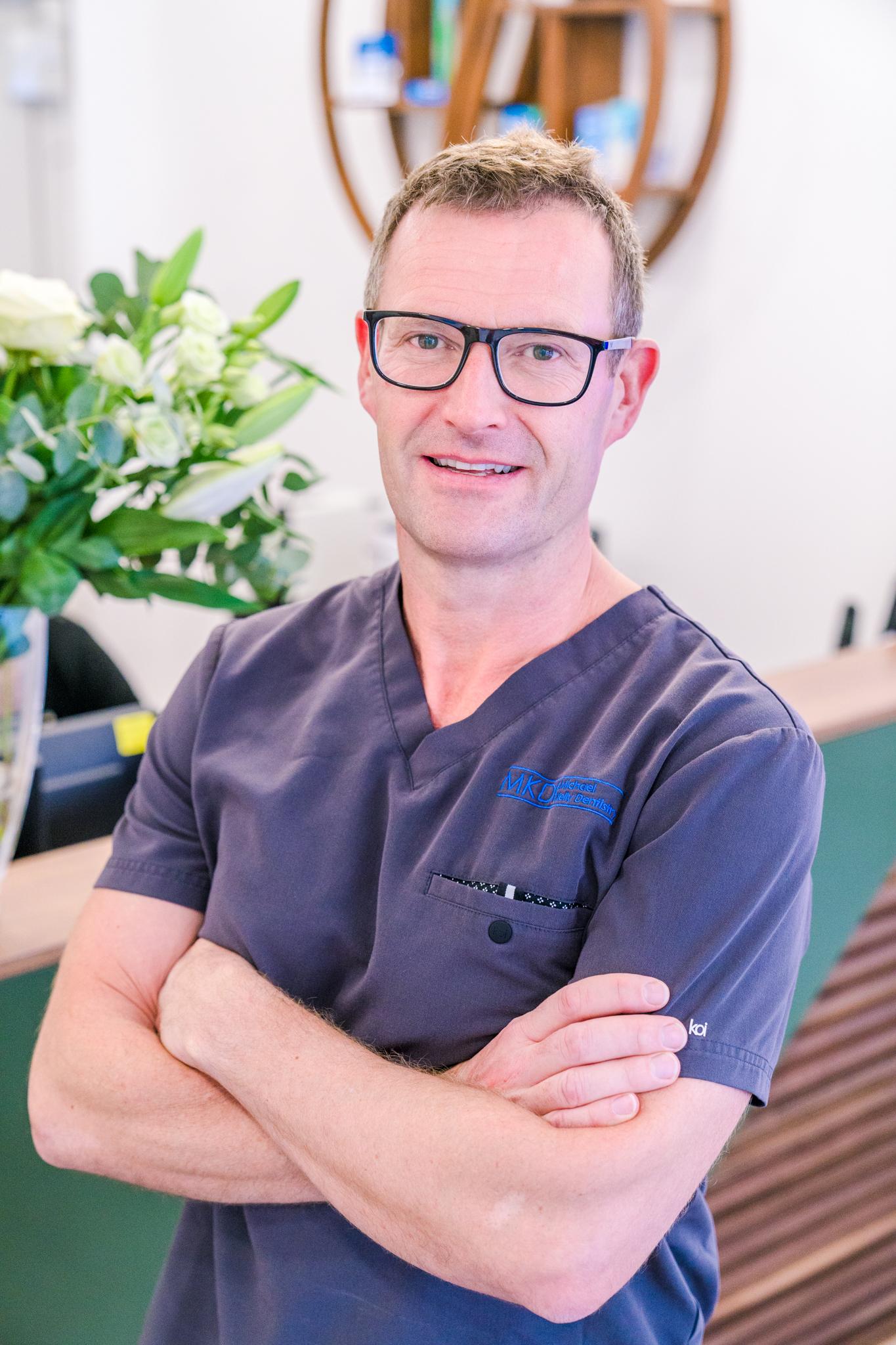
This content was reviewed by Dr Michael John Kelly, Principal Dentist and practice owner at Michael Kelly Dentistry, 741 Clarkston Road, Glasgow.
Dr Michael is a GDC-Registered Dentist (No. 68981) with over 25 years of experience in private dentistry. He holds memberships with the Association of Dental Implantology (ADI), the British Academy of Cosmetic Dentistry (BACD), and the Society for the Advancement of Anaesthesia in Dentistry (SAAD), reflecting his expertise in dental implants, cosmetic dentistry and sedation dentistry.
Last reviewed: April 2026